Tag: crop
Why Investing in Plots Is a Smart Decision in Today’s Real Estate Market
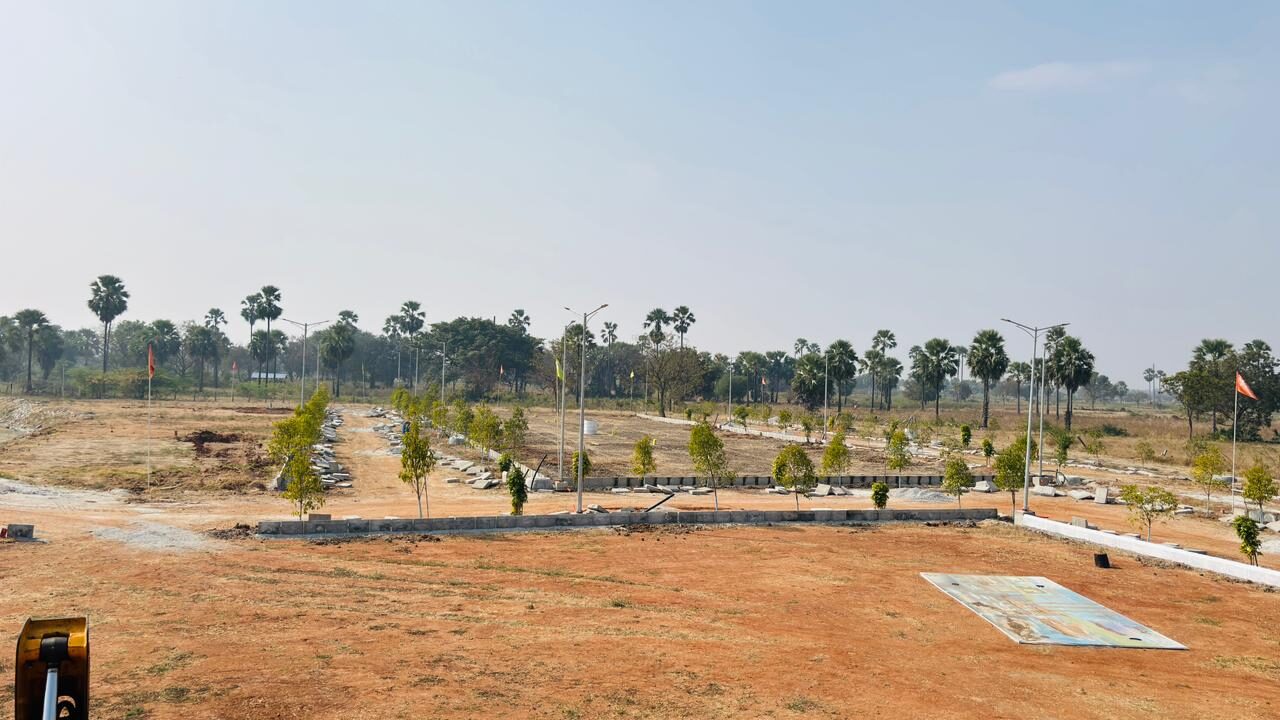
Investing in residential plots has become one of the most preferred choices for smart investors and homebuyers alike. Unlike apartments, plots offer complete ownership of land, flexibility in construction, and higher appreciation over time. With rapid urban expansion and increasing infrastructure development, well-located plots are witnessing consistent value growth.
At Legend Homes, we carefully select project locations that promise long-term potential, excellent connectivity, and peaceful surroundings. Whether you plan to build immediately or hold the property as an investment, residential plots offer low maintenance costs and better resale value, making them a future-proof investment choice.

Sustainable Living – The Future of Modern Residential Communities
Sustainable living is no longer a trend — it’s a necessity. Modern homebuyers are increasingly choosing eco-friendly communities that prioritize green spaces, renewable energy, and responsible water management. Sustainable developments not only protect the environment but also enhance quality of life and reduce long-term utility expenses.
Legend Homes integrates sustainable practices such as solar lighting, rainwater harvesting, landscaped green zones, and efficient drainage systems across its projects. These features create healthier living environments while ensuring long-term savings and value appreciation for homeowners.
Key Factors to Consider Before Buying a Residential Property
Buying a home or plot is a major life decision and requires careful planning. Key factors such as legal approvals, location advantages, builder reputation, infrastructure, and future growth potential must be evaluated before making a purchase.
Legend Homes ensures all projects are legally compliant, transparently documented, and strategically located. Our customer-first approach helps buyers make confident, informed decisions while enjoying a smooth buying experience from start to finish.
Project Walkthrough Checklist: Key Things to Observe Before Buying a Home
Buying a home is one of the most important decisions you will ever make—it impacts your lifestyle, family comfort, and long-term financial security. Whether you are purchasing your first home or upgrading to a better one, a project walkthrough is a step you should never overlook.
With reputed developers like Legend Homes delivering thoughtfully designed residential projects and gated communities, buyers today have access to high-quality housing options. However, making the right choice still requires careful on-site evaluation. This project walkthrough checklist will help you understand exactly what to observe before you invest, ensuring your decision is based on facts—not just brochures.
Why a Project Walkthrough Matters — Especially With Trusted Developers Like Legend Homes
Marketing materials can look impressive, but they don’t always reflect real on-ground quality. A walkthrough allows you to verify everything personally.
Here’s why a project walkthrough is essential:
- You assess actual construction quality instead of visual renders
- You experience the neighborhood and surroundings firsthand
- You confirm whether promised amenities are completed or in progress
- You identify issues that photos and videos can hide
- You understand how developers like Legend Homes maintain quality, planning, and safety
A proper walkthrough ensures transparency and helps you make a confident decision.
1. Start With the Project Entrance — First Impressions Matter
The entrance of a residential project reflects its overall planning and standards. Developers like Legend Homes focus on secure, welcoming, and well-organized entry points.
Look for:
- Security cabin and access control systems
- CCTV surveillance and boom barriers
- Wide and clean approach roads
- Landscaping and plantation
- Visitor entry management
- Smooth traffic movement
A well-designed entrance sets the tone for the entire community.
2. Examine the Building Exterior Carefully
Exterior quality often indicates how well a project will age. Reputed builders like Legend Homes use durable materials and premium finishes to ensure long-term value.
Inspect:
- Wall cracks or signs of seepage
- Paint quality and uniformity
- Balcony railings and safety standards
- Overall elevation design
- Maintenance readiness
Strong exterior construction is a sign of a reliable project.
3. Amenities Review — Are They Ready and Usable?
Amenities play a major role in modern living. During your walkthrough, confirm whether the facilities promised are actually delivered.
Check amenities such as:
- Clubhouse interiors and functionality
- Gym equipment quality
- Swimming pool finishing and filtration
- Children’s play areas with safety flooring
- Jogging tracks, courts, and seating zones
- Landscaped open spaces
Developers like Legend Homes are known for delivering amenities that add real lifestyle value—not just visual appeal.
4. Floor Plans & Common Areas Evaluation
Printed floor plans may look spacious, but actual layouts tell the real story. Walk through the floors and common areas to understand usability.
Observe:
- Corridor width and lighting
- Lift size, number, and waiting time
- Staircase safety and finishing
- Ventilation in shared spaces
- Cleanliness and maintenance standards
Efficient planning in common areas improves everyday living.
5. Inside the Home — Detailed Room-by-Room Inspection
This is the most important part of your walkthrough. Spend time inside the actual unit or sample flat.
Living Room
- Space utilization
- Flooring quality
- Wall finish
- Natural light and airflow
Bedrooms
- Room size and layout
- Privacy and noise insulation
- Ventilation
- Wardrobe space planning
Kitchen
- Countertop and tile quality
- Plumbing points
- Storage layout
- Electrical provisions
Bathrooms
- Water pressure
- Anti-skid flooring
- Sanitary fitting brands
- Leakage or dampness
Balconies
- Safety railings
- View and ventilation
- Flooring finish
Builders like Legend Homes maintain consistency across all spaces, ensuring comfort and durability.
6. Construction Quality — The Backbone of a Good Home
Construction quality defines how your home performs over time. Always check materials and workmanship.
Key points to inspect:
- Door quality and hinges
- Window frames and sliding mechanisms
- Electrical wiring and switch brands
- Plumbing pipes and fittings
- Tile alignment and finish
- Wall smoothness and corners
A detailed walkthrough helps you spot long-term issues early.
7. Safety & Security Measures
Safety should never be compromised. Well-planned projects by Legend Homes prioritize resident security.
Security features to verify:
- CCTV coverage in common areas
- Intercom systems
- Fire safety equipment
- Emergency exits
- Visitor management
- 24/7 security personnel
A secure environment ensures peace of mind for your family.
8. Location & Neighborhood Assessment
A home’s value is closely tied to its surroundings. Projects by Legend Homes are typically located in growing, well-connected areas.
Observe:
- Proximity to schools, hospitals, and workplaces
- Road connectivity and transport access
- Noise and pollution levels
- Area cleanliness
- Upcoming infrastructure developments
Location plays a major role in future appreciation.
9. Parking Areas & Vehicle Flow
Poor parking design can become a daily inconvenience. Inspect parking spaces carefully.
Check for:
- Allotted parking size
- Basement ventilation
- Ramp width and slope
- Lighting and security
- Visitor parking availability
Well-designed parking improves safety and convenience.
10. Talk to Existing Residents (If Possible)
Speaking with current residents gives you honest insights you won’t find in brochures.
Ask about:
- Construction quality
- Builder responsiveness
- Maintenance services
- Amenity usage
- Any recurring issues
Legend Homes projects often receive positive feedback for planning, transparency, and community living.
11. Legal & Documentation Verification
Before finalizing your purchase, ensure all legal aspects are in order.
Confirm:
- RERA registration
- Approved building plans
- Occupancy or completion certificate
- Clear title documentation
- Developer’s past track record
Legal clarity ensures a safe and stress-free investment.
Conclusion: Make a Smart Choice With a Proper Project Walkthrough
A well-planned project walkthrough empowers buyers to make informed and confident decisions. When you visit a project by Legend Homes, you can clearly see the difference in construction quality, design, amenities, and long-term value.
By following this complete walkthrough checklist, you:
✔ Know exactly what you are investing in
✔ Identify potential issues early
✔ Compare projects accurately
✔ Protect your financial future
✔ Choose a home that fits your lifestyle
Whether you are buying an apartment, villa, or gated community home, a detailed project walkthrough ensures your decision is future-ready and secure.
🏡 Legend Homes – Crafted for Comfort. Built for Life.
📞 Contact today to schedule your site visit and experience the difference firsthand.
Smart Irrigation: Saving Water
Soil is the foundation of every farm. It’s not just dirt — it’s a living system that supports crops, stores water, and provides essential nutrients to plants. For farmers, taking care of the soil isn’t just good practice — it’s the key to long-term success and sustainability. Healthy soil leads to stronger plants, higher yields, and better resistance to drought, pests, and diseases. When soil is in poor condition, even the best seeds and fertilizers may not produce the results you expect. That’s why understanding soil health is one of the most valuable skills any farmer can have. One of the most important signs of good soil is the presence of life — worms, microbes, and insects all play a role in keeping the soil fertile. These tiny organisms help break down organic matter and make nutrients available to crops. Soil that is dark, rich, and loose is usually full of life and ready to grow.
How to Keep Your Soil Fertile
Farmers can improve soil health over time by feeding the soil with natural materials like compost or manure, giving it time to rest between crops, and avoiding practices that damage its structure. Chemicals should be used wisely, as too much can harm the natural balance of life in the soil. Tilling should also be limited where possible, since it can break down the soil’s natural structure and increase the risk of erosion.
Why Is Soil Health Important?
Good soil doesn’t happen by accident — it’s built through years of thoughtful care. By paying attention to what the soil needs and supporting its natural processes, farmers can keep their land productive and profitable for generations. Taking care of your soil is one of the smartest investments you can make. When the soil is healthy, everything else on the farm works better too.
- Use compost, manure, or green plant waste to feed the soil and make it soft and rich.
- Change what you plant in each area every season. Different crops use different nutrients.
- Grow plants like clover or mustard after harvest to protect and feed the soil.
- Too much digging breaks the soil structure and harms good microbes. Try low or no-till methods.
Signs of Healthy Soil
Soil is not just the ground we walk on — it’s a living, dynamic part of every farm. For farmers, soil is the first and most important tool they have. Healthy soil can mean the difference between a strong harvest and a poor one. It affects plant growth, water use, disease resistance, and even farm costs. That’s why every farmer, whether growing on one acre or one hundred, should understand how soil health works and how to maintain it for the long term.
Good soil is full of life. Beneath the surface, it contains millions of tiny organisms — bacteria, fungi, worms, and insects — all working together to feed plants and maintain balance. These organisms break down organic matter like plant residues or manure, turning them into nutrients that crops can use. When this cycle is active and well-supported, your soil becomes more fertile, holds water better, and stays loose and breathable for roots to grow.
A Case Study in Crop Success
Soil is the foundation of every farm. It’s not just dirt — it’s a living system that supports crops, stores water, and provides essential nutrients to plants. For farmers, taking care of the soil isn’t just good practice — it’s the key to long-term success and sustainability. Healthy soil leads to stronger plants, higher yields, and better resistance to drought, pests, and diseases. When soil is in poor condition, even the best seeds and fertilizers may not produce the results you expect. That’s why understanding soil health is one of the most valuable skills any farmer can have. One of the most important signs of good soil is the presence of life — worms, microbes, and insects all play a role in keeping the soil fertile. These tiny organisms help break down organic matter and make nutrients available to crops. Soil that is dark, rich, and loose is usually full of life and ready to grow.
How to Keep Your Soil Fertile
Farmers can improve soil health over time by feeding the soil with natural materials like compost or manure, giving it time to rest between crops, and avoiding practices that damage its structure. Chemicals should be used wisely, as too much can harm the natural balance of life in the soil. Tilling should also be limited where possible, since it can break down the soil’s natural structure and increase the risk of erosion.
Why Is Soil Health Important?
Good soil doesn’t happen by accident — it’s built through years of thoughtful care. By paying attention to what the soil needs and supporting its natural processes, farmers can keep their land productive and profitable for generations. Taking care of your soil is one of the smartest investments you can make. When the soil is healthy, everything else on the farm works better too.
- Use compost, manure, or green plant waste to feed the soil and make it soft and rich.
- Change what you plant in each area every season. Different crops use different nutrients.
- Grow plants like clover or mustard after harvest to protect and feed the soil.
- Too much digging breaks the soil structure and harms good microbes. Try low or no-till methods.
Signs of Healthy Soil
Soil is not just the ground we walk on — it’s a living, dynamic part of every farm. For farmers, soil is the first and most important tool they have. Healthy soil can mean the difference between a strong harvest and a poor one. It affects plant growth, water use, disease resistance, and even farm costs. That’s why every farmer, whether growing on one acre or one hundred, should understand how soil health works and how to maintain it for the long term.
Good soil is full of life. Beneath the surface, it contains millions of tiny organisms — bacteria, fungi, worms, and insects — all working together to feed plants and maintain balance. These organisms break down organic matter like plant residues or manure, turning them into nutrients that crops can use. When this cycle is active and well-supported, your soil becomes more fertile, holds water better, and stays loose and breathable for roots to grow.
Tech Trends in Farming 2025
Soil is the foundation of every farm. It’s not just dirt — it’s a living system that supports crops, stores water, and provides essential nutrients to plants. For farmers, taking care of the soil isn’t just good practice — it’s the key to long-term success and sustainability. Healthy soil leads to stronger plants, higher yields, and better resistance to drought, pests, and diseases. When soil is in poor condition, even the best seeds and fertilizers may not produce the results you expect. That’s why understanding soil health is one of the most valuable skills any farmer can have. One of the most important signs of good soil is the presence of life — worms, microbes, and insects all play a role in keeping the soil fertile. These tiny organisms help break down organic matter and make nutrients available to crops. Soil that is dark, rich, and loose is usually full of life and ready to grow.
How to Keep Your Soil Fertile
Farmers can improve soil health over time by feeding the soil with natural materials like compost or manure, giving it time to rest between crops, and avoiding practices that damage its structure. Chemicals should be used wisely, as too much can harm the natural balance of life in the soil. Tilling should also be limited where possible, since it can break down the soil’s natural structure and increase the risk of erosion.
Why Is Soil Health Important?
Good soil doesn’t happen by accident — it’s built through years of thoughtful care. By paying attention to what the soil needs and supporting its natural processes, farmers can keep their land productive and profitable for generations. Taking care of your soil is one of the smartest investments you can make. When the soil is healthy, everything else on the farm works better too.
- Use compost, manure, or green plant waste to feed the soil and make it soft and rich.
- Change what you plant in each area every season. Different crops use different nutrients.
- Grow plants like clover or mustard after harvest to protect and feed the soil.
- Too much digging breaks the soil structure and harms good microbes. Try low or no-till methods.
Signs of Healthy Soil
Soil is not just the ground we walk on — it’s a living, dynamic part of every farm. For farmers, soil is the first and most important tool they have. Healthy soil can mean the difference between a strong harvest and a poor one. It affects plant growth, water use, disease resistance, and even farm costs. That’s why every farmer, whether growing on one acre or one hundred, should understand how soil health works and how to maintain it for the long term.
Good soil is full of life. Beneath the surface, it contains millions of tiny organisms — bacteria, fungi, worms, and insects — all working together to feed plants and maintain balance. These organisms break down organic matter like plant residues or manure, turning them into nutrients that crops can use. When this cycle is active and well-supported, your soil becomes more fertile, holds water better, and stays loose and breathable for roots to grow.
Simple Tips for Healthier Crops
Soil is the foundation of every farm. It’s not just dirt — it’s a living system that supports crops, stores water, and provides essential nutrients to plants. For farmers, taking care of the soil isn’t just good practice — it’s the key to long-term success and sustainability. Healthy soil leads to stronger plants, higher yields, and better resistance to drought, pests, and diseases. When soil is in poor condition, even the best seeds and fertilizers may not produce the results you expect. That’s why understanding soil health is one of the most valuable skills any farmer can have. One of the most important signs of good soil is the presence of life — worms, microbes, and insects all play a role in keeping the soil fertile. These tiny organisms help break down organic matter and make nutrients available to crops. Soil that is dark, rich, and loose is usually full of life and ready to grow.
How to Keep Your Soil Fertile
Farmers can improve soil health over time by feeding the soil with natural materials like compost or manure, giving it time to rest between crops, and avoiding practices that damage its structure. Chemicals should be used wisely, as too much can harm the natural balance of life in the soil. Tilling should also be limited where possible, since it can break down the soil’s natural structure and increase the risk of erosion.
Why Is Soil Health Important?
Good soil doesn’t happen by accident — it’s built through years of thoughtful care. By paying attention to what the soil needs and supporting its natural processes, farmers can keep their land productive and profitable for generations. Taking care of your soil is one of the smartest investments you can make. When the soil is healthy, everything else on the farm works better too.
- Use compost, manure, or green plant waste to feed the soil and make it soft and rich.
- Change what you plant in each area every season. Different crops use different nutrients.
- Grow plants like clover or mustard after harvest to protect and feed the soil.
- Too much digging breaks the soil structure and harms good microbes. Try low or no-till methods.
Signs of Healthy Soil
Soil is not just the ground we walk on — it’s a living, dynamic part of every farm. For farmers, soil is the first and most important tool they have. Healthy soil can mean the difference between a strong harvest and a poor one. It affects plant growth, water use, disease resistance, and even farm costs. That’s why every farmer, whether growing on one acre or one hundred, should understand how soil health works and how to maintain it for the long term.
Good soil is full of life. Beneath the surface, it contains millions of tiny organisms — bacteria, fungi, worms, and insects — all working together to feed plants and maintain balance. These organisms break down organic matter like plant residues or manure, turning them into nutrients that crops can use. When this cycle is active and well-supported, your soil becomes more fertile, holds water better, and stays loose and breathable for roots to grow.
Organic vs. Hybrid: What to Know
Soil is the foundation of every farm. It’s not just dirt — it’s a living system that supports crops, stores water, and provides essential nutrients to plants. For farmers, taking care of the soil isn’t just good practice — it’s the key to long-term success and sustainability. Healthy soil leads to stronger plants, higher yields, and better resistance to drought, pests, and diseases. When soil is in poor condition, even the best seeds and fertilizers may not produce the results you expect. That’s why understanding soil health is one of the most valuable skills any farmer can have. One of the most important signs of good soil is the presence of life — worms, microbes, and insects all play a role in keeping the soil fertile. These tiny organisms help break down organic matter and make nutrients available to crops. Soil that is dark, rich, and loose is usually full of life and ready to grow.
How to Keep Your Soil Fertile
Farmers can improve soil health over time by feeding the soil with natural materials like compost or manure, giving it time to rest between crops, and avoiding practices that damage its structure. Chemicals should be used wisely, as too much can harm the natural balance of life in the soil. Tilling should also be limited where possible, since it can break down the soil’s natural structure and increase the risk of erosion.
Why Is Soil Health Important?
Good soil doesn’t happen by accident — it’s built through years of thoughtful care. By paying attention to what the soil needs and supporting its natural processes, farmers can keep their land productive and profitable for generations. Taking care of your soil is one of the smartest investments you can make. When the soil is healthy, everything else on the farm works better too.
- Use compost, manure, or green plant waste to feed the soil and make it soft and rich.
- Change what you plant in each area every season. Different crops use different nutrients.
- Grow plants like clover or mustard after harvest to protect and feed the soil.
- Too much digging breaks the soil structure and harms good microbes. Try low or no-till methods.
Signs of Healthy Soil
Soil is not just the ground we walk on — it’s a living, dynamic part of every farm. For farmers, soil is the first and most important tool they have. Healthy soil can mean the difference between a strong harvest and a poor one. It affects plant growth, water use, disease resistance, and even farm costs. That’s why every farmer, whether growing on one acre or one hundred, should understand how soil health works and how to maintain it for the long term.
Good soil is full of life. Beneath the surface, it contains millions of tiny organisms — bacteria, fungi, worms, and insects — all working together to feed plants and maintain balance. These organisms break down organic matter like plant residues or manure, turning them into nutrients that crops can use. When this cycle is active and well-supported, your soil becomes more fertile, holds water better, and stays loose and breathable for roots to grow.
Best Seeds for Tough Soils
Soil is the foundation of every farm. It’s not just dirt — it’s a living system that supports crops, stores water, and provides essential nutrients to plants. For farmers, taking care of the soil isn’t just good practice — it’s the key to long-term success and sustainability. Healthy soil leads to stronger plants, higher yields, and better resistance to drought, pests, and diseases. When soil is in poor condition, even the best seeds and fertilizers may not produce the results you expect. That’s why understanding soil health is one of the most valuable skills any farmer can have. One of the most important signs of good soil is the presence of life — worms, microbes, and insects all play a role in keeping the soil fertile. These tiny organisms help break down organic matter and make nutrients available to crops. Soil that is dark, rich, and loose is usually full of life and ready to grow.
How to Keep Your Soil Fertile
Farmers can improve soil health over time by feeding the soil with natural materials like compost or manure, giving it time to rest between crops, and avoiding practices that damage its structure. Chemicals should be used wisely, as too much can harm the natural balance of life in the soil. Tilling should also be limited where possible, since it can break down the soil’s natural structure and increase the risk of erosion.
Why Is Soil Health Important?
Good soil doesn’t happen by accident — it’s built through years of thoughtful care. By paying attention to what the soil needs and supporting its natural processes, farmers can keep their land productive and profitable for generations. Taking care of your soil is one of the smartest investments you can make. When the soil is healthy, everything else on the farm works better too.
- Use compost, manure, or green plant waste to feed the soil and make it soft and rich.
- Change what you plant in each area every season. Different crops use different nutrients.
- Grow plants like clover or mustard after harvest to protect and feed the soil.
- Too much digging breaks the soil structure and harms good microbes. Try low or no-till methods.
Signs of Healthy Soil
Soil is not just the ground we walk on — it’s a living, dynamic part of every farm. For farmers, soil is the first and most important tool they have. Healthy soil can mean the difference between a strong harvest and a poor one. It affects plant growth, water use, disease resistance, and even farm costs. That’s why every farmer, whether growing on one acre or one hundred, should understand how soil health works and how to maintain it for the long term.
Good soil is full of life. Beneath the surface, it contains millions of tiny organisms — bacteria, fungi, worms, and insects — all working together to feed plants and maintain balance. These organisms break down organic matter like plant residues or manure, turning them into nutrients that crops can use. When this cycle is active and well-supported, your soil becomes more fertile, holds water better, and stays loose and breathable for roots to grow.
- 1
- 2